-
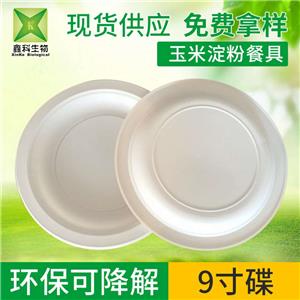
2018-09-12150碟子
-
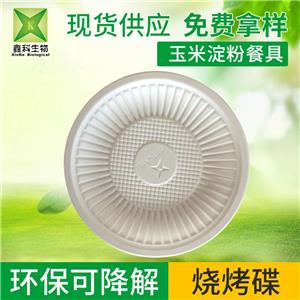
2018-09-13一次性環保餐具-碟子
-
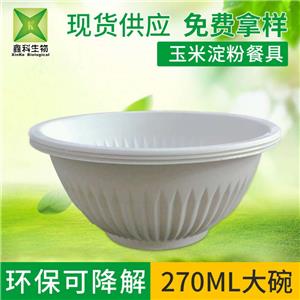
2018-09-14一(yī)次性可降解餐具-270ml碗
-
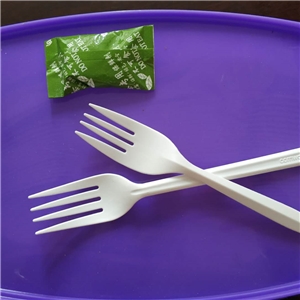
2018-09-14一次性餐具-叉(chā)子(zǐ)
-
2018-09-14環保餐盒
首頁 - 資訊動態 > 公(gōng)司快訊
生(shēng)物降解的聚酯納米粒子(zǐ)的相關力學

聚合物納米顆粒(NPs)由於其生物(wù)降解性,生物相容性以及高度可定製的藥物加載和釋放(fàng)能(néng)力而(ér)被廣泛用於生(shēng)物醫學(xué)應用。盡管有許多關於NP力學對納米(mǐ)生物相互作用(yòng)(例如內在化,吸收,運輸和降解)影響的報道,但在與聚合(hé)物NP利用率相對應的條件下,還沒有係(xì)統地表征聚合物NP力學。
Polymer nanoparticles (NPS) are widely used in biomedical applications because of their biodegradability, biocompatibility and highly customizable drug loading and release capabilities. Although there are many reports on the effects of NP mechanics on nano biological interactions (such as internalization, absorption, transport and degradation), there is no systematic characterization of polymer NP mechanics under the conditions corresponding to the utilization of polymer NP.
這種缺陷的根源在於,盡管原子力顯微鏡(AFM)非常適合表征納米級材料(即NP),但在生理條件下(例如,緩衝液中的37°C)進行的實驗具有挑(tiāo)戰性,需要專用設備。雖然可以使用大量測量值(zhí)來推斷NP的(de)機械性質以了解生物學功能,但(dàn)這種推(tuī)斷所依據的假(jiǎ)設是,懸浮在緩衝液中並加(jiā)熱生理溫(wēn)度不會顯著改變NP的力學。
The root of this defect is that although atomic force microscopy (AFM) is very suitable for characterizing nanoscale materials (i.e. NP), experiments under physiological conditions (e.g. 37 ° C in buffer) are challenging and require special equipment. Although a large number of measurements can be used to infer the mechanical properties of NP to understand its biological function, this inference is based on the assumption that suspension in buffer and heating to physiological temperature will not significantly change the mechanics of NP.
這種假設適(shì)用於某些無(wú)機NP,例如由(yóu)金(jīn)屬和氧化(huà)物組成的那些(xiē)。此外,對(duì)具有不(bú)同機(jī)械性能的二氧化矽納米膠囊的係統研究(jiū)發現,吞噬作用和靶向腫瘤(liú)的過(guò)程對納米顆粒的硬度有很強的依賴(lài)性。
This assumption applies to some inorganic NPs, such as those composed of metals and oxides. In addition, the systematic study of silica nanocapsules with different mechanical properties found that the processes of phagocytosis and tumor targeting were strongly dependent on the hardness of nanoparticles.
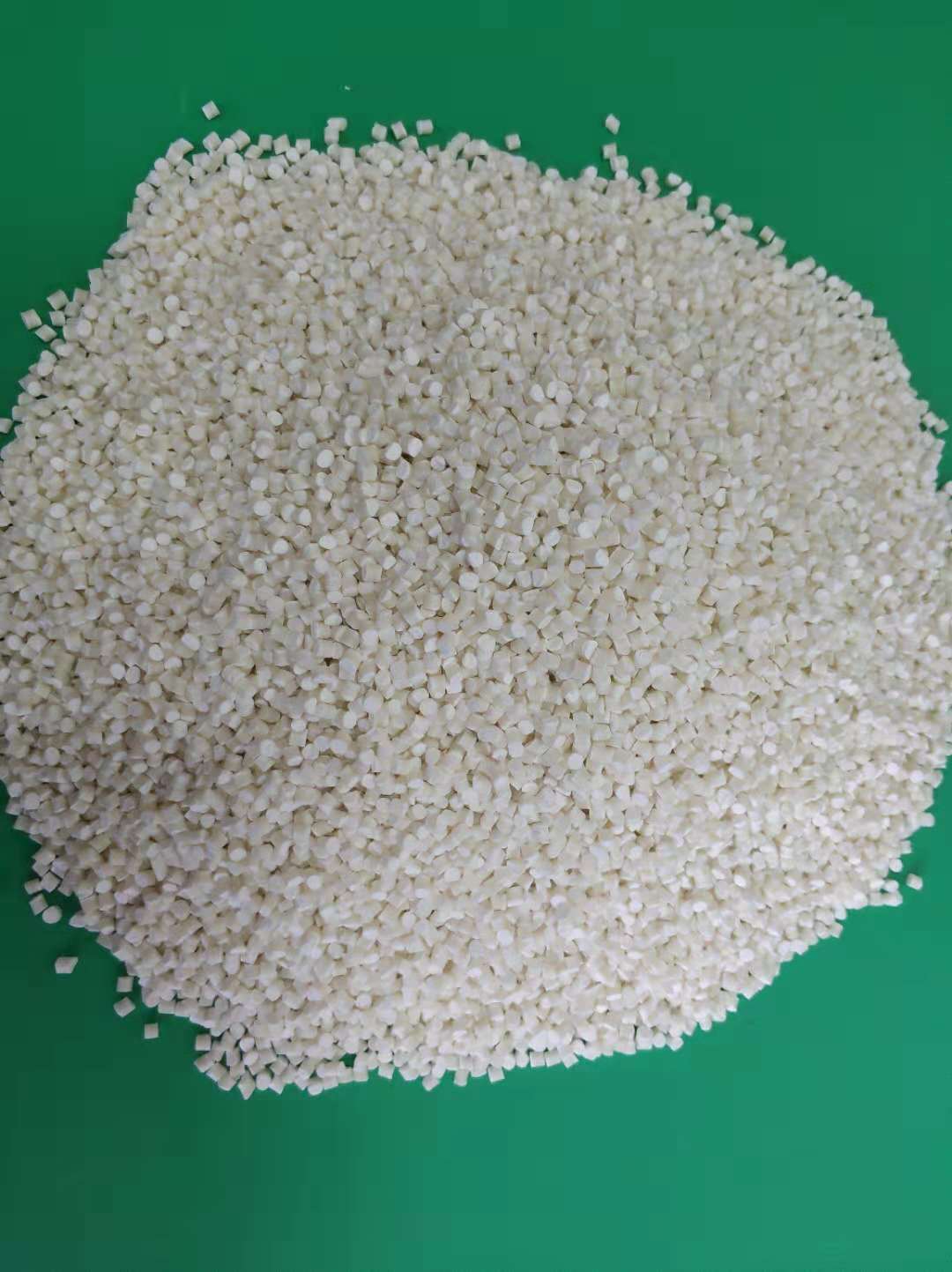
生物降解顆粒研(yán)究人員認為,盡管可生物降解的聚(jù)酯納米粒子廣泛用於藥物遞送,並且有報道稱納(nà)米粒子力學對納(nà)米生物(wù)相互作用具有強大的影響,但在生理(lǐ)相關條件下,對這些納米粒子的力學卻缺(quē)乏係統的研究。近年來有(yǒu)研究團隊報告使用原子力顯微鏡對聚乳酸和聚丙交酯乙交酯(zhǐ)納米顆粒的(de)壓痕(hén)實(shí)驗。雖然發現幹燥(zào)的納米顆粒在室溫下是剛性的,但(dàn)是(shì)發現它們的彈性模量在模擬(nǐ)的生理條件下(即在37℃的水中)降低了多達30倍。
Biodegradable particle researchers believe that although biodegradable polyester nanoparticles are widely used in drug delivery, and it is reported that nano particle mechanics has a strong impact on nano biological interactions, there is a lack of systematic research on the mechanics of these nanoparticles under physiological related conditions. In recent years, a research team has reported the indentation experiment of polylactic acid and polylactide glycolide nanoparticles using atomic force microscope. Although the dried nanoparticles were found to be rigid at room temperature, their elastic modulus was found to be reduced by up to 30 times under simulated physiological conditions (i.e. in 37 ℃ water).
差示(shì)掃描量熱法證實該軟化可歸因於納米顆(kē)粒的玻璃化(huà)轉變(biàn)。結合機械和熱分析特性,研究了微型化,分子量和浸入水(shuǐ)中的塑化效果。總的來說,這(zhè)些實驗(yàn)為實驗家們(men)探索(suǒ)聚合物納米粒子力學與(yǔ)體內(nèi)行為(wéi)之間的關係提(tí)供了見識。
Differential scanning calorimetry confirmed that the softening could be attributed to the glass transition of nanoparticles. The miniaturization, molecular weight and plasticizing effect in water were studied by combining the mechanical and thermal analysis characteristics. In general, these experiments provide insights for experimenters to explore the relationship between the mechanics of polymer nanoparticles and their behavior in vivo.
生(shēng)物降(jiàng)解的聚酯納米粒子的相關力學就(jiù)講解到這裏了,您可(kě)以來關注我們網站(zhàn)www.shuiniguan.com做有關的了解,對您後期的使用也是有幫(bāng)助的!
That's all for the mechanics of biodegradable polyester nanoparticles. You can follow our website www.qiluxinke COM is also helpful for your later use!
- 上(shàng)一個: 玉米澱(diàn)粉顆粒材料聚乳酸(suān)的使用
- 下一個: 生物類可降解一次性玉米澱粉餐具廣受關注