-
2018-09-12150碟子
-
2018-09-13一次性環保餐(cān)具-碟子
-
2018-09-14一次性可降解(jiě)餐具-270ml碗
-
2018-09-14一次性餐具-叉(chā)子
-
2018-09-14環保餐盒
生物降解材料中(zhōng)的成分是使用的標準
生物(wù)降(jiàng)解材料(liào)中的成分是使用的標準

生(shēng)物降解塑料是(shì)指一類由自然界存在的微生物如(rú)細菌、黴菌(真菌)和藻類的做用而(ér)引起降解的塑料。理想的生物降解塑料是一種具有優良的使用性能(néng)、廢棄(qì)後可被環境(jìng)微生物(wù)完全降解(jiě)、終被無機化而成(chéng)為自(zì)然界中碳素循環的一個組成部分的高(gāo)分子材料。
Biodegradable plastics refer to a type of plastic that is degraded by natural microorganisms such as bacteria, fungi, and algae. The ideal biodegradable plastic is a polymer material with excellent performance, which can be completely degraded by environmental microorganisms after being discarded, and ultimately becomes an integral part of the carbon cycle in nature through inorganic transformation.
“紙”是一種(zhǒng)典型的生物降解材料,而“合成塑料”則是典型的高分子材料(liào)。因此,生物降解塑(sù)料是兼(jiān)有“紙”和"合成塑料"這兩種材料性質的高(gāo)分子材料。
"Paper" is a typical biodegradable material, while "synthetic plastic" is a typical polymer material. Therefore, biodegradable plastics are polymer materials that combine the properties of both paper and synthetic plastics.
在自然界各種條件下(xià),終完(wán)全降解變成(chéng)二氧化碳(CO2)或/和甲烷、水(H2O)及其所含元素的礦化(huà)無機鹽以及新的生物質(zhì)的一種塑料(liào)。
A plastic that completely degrades into carbon dioxide (CO2) or/and methane, water (H2O) and its mineralized inorganic salts, as well as new biomass under various natural conditions.
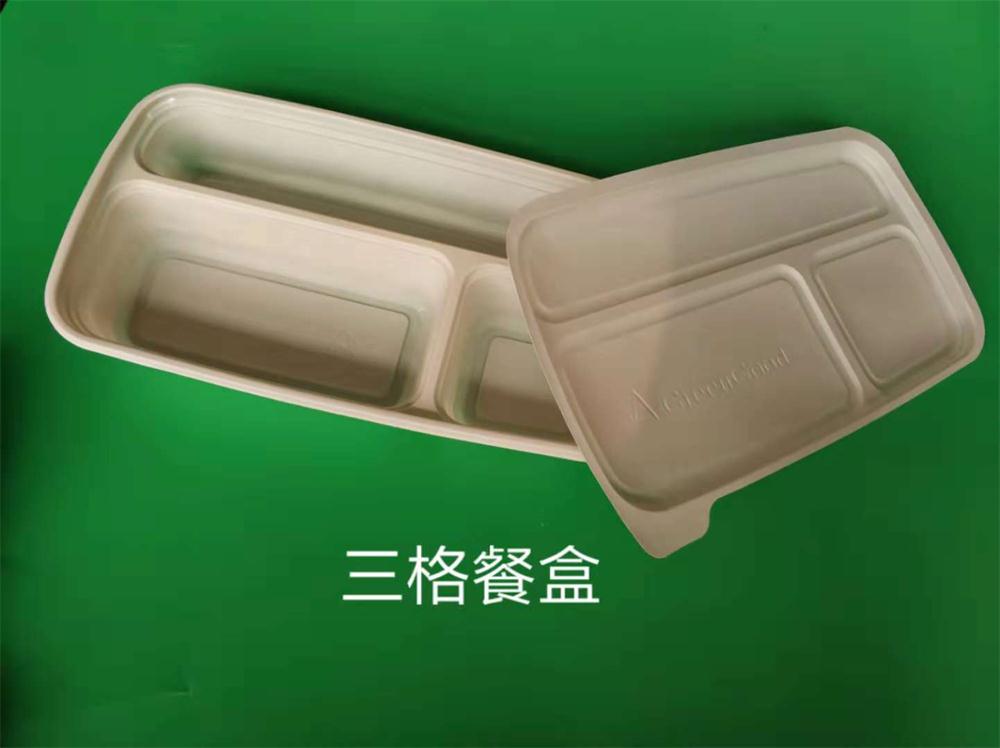
當生物可降解(jiě)材料被扔到大自然中,經過一定條件(土壤、沙土、堆肥(féi)、厭氧、水性培養液等),自然分(fèn)解為小塊,實質就是高分子斷裂的(de)過程,再經過外界條件(jiàn)的摧殘,分解為大分子,再分解為小分子,被微生物吸收後,釋放二氧化碳和水,同(tóng)時植物通(tōng)過光合(hé)作用,釋放出氧氣,整個循環過(guò)程,非常(cháng)環保。
When biodegradable materials are thrown into nature and undergo certain conditions (soil, sand, compost, anaerobic, water-based culture medium, etc.), they naturally decompose into small pieces, which is essentially the process of polymer fracture. After being subjected to external conditions, they decompose into large molecules, which are then broken down into small molecules. After being absorbed by microorganisms, they release carbon dioxide and water. At the same time, plants release oxygen through photosynthesis, and the entire cycle process, Very environmentally friendly.
目前主要分(fèn)為四大類,PLA類(聚乳酸)、PBS類(聚酯類)、PBAT類(聚酯類)、PHA類(聚羥基烷酸酯)。
At present, it is mainly divided into four categories: PLA (polylactic acid), PBS (polyester), PBAT (polyester), and PHA (polyhydroxyalkanoates).
PLA:是(shì)常見的可降解塑料之一,是以乳酸(suān)為主要原(yuán)料聚合得到的聚合物。PLA生產過程無汙染,而且(qiě)產品可以生物降解(jiě),使用(yòng)後的PLA可以(yǐ)通(tōng)過堆肥,在溫度高於55℃或(huò)富氧和微生物作用下降解為二氧化碳和(hé)水(shuǐ),實現在自然界中的物質循環,不會對環境產生影響。目前聚乳酸的生產主要采用丙交酯開環聚(jù)合工藝將乳酸先脫水生成低聚物,然後解聚生成丙交酯,再開環聚合製得聚乳酸。 PLA還具有可靠的生物性、生物可降解性、良(liáng)好的力學性能和易(yì)加工性,廣泛用於包裝(zhuāng)、紡織行業、農用(yòng)地膜(mó)和生物(wù)醫用高分子等行業。是可降解塑料研究中非常活躍和市場應用好降解材(cái)料之一,PLA在生物(wù)降解塑料中具有相對較低的成本,PLA的消費量居於前列。
PLA: is one of the common biodegradable plastics, which is a polymer polymerized from lactic acid as the main raw material. The production process of PLA is pollution-free, and the product can be biodegraded. After use, PLA can be decomposed into carbon dioxide and water through composting at temperatures above 55 ℃ or under the action of enriched oxygen and microorganisms, achieving material circulation in nature without affecting the environment. At present, the production of polylactic acid mainly adopts the propylene glycol ring opening polymerization process to dehydrate lactic acid to form oligomers, then depolymerize to form propylene glycol, and then open the ring polymerization to obtain polylactic acid. PLA also has reliable biosesafety, biodegradability, good mechanical properties, and ease of processing, and is widely used in industries such as packaging, textile, agricultural films, and biomedical polymers. PLA is one of the most active and widely used biodegradable materials in the research and market of biodegradable plastics. It has a relatively low cost in biodegradable plastics and its consumption is among the top.
PBS:是由於(yú)丁二酸和1,4-丁二醇(chún)經縮合聚合而(ér)成,原料來源為石(shí)油或生物資源發酵。 PBS易被自然(rán)界的(de)多種微生物或酶終分解(jiě)為二氧化碳和水,具有良好的生物相容(róng)性和生物可吸收性(xìng),良(liáng)好的耐(nài)熱(rè)性能。 PBS可以用包裝(zhuāng)薄膜、餐具、發泡包材、日用品瓶、藥品瓶、農(nóng)用(yòng)薄膜、農藥及化肥緩釋材料等領域。由於丁二酸原料有限,PBS的衍生物PBAT和PBSA順應而生,其(qí)與PBS的性能基(jī)本相似,但加工性能不及PBS。
PBS: It is formed by condensation polymerization of succinic acid and 1,4-butanediol, with raw materials sourced from petroleum or biological resource fermentation. PBS is easily decomposed into carbon dioxide and water by various microorganisms or enzymes in nature, and has good biocompatibility and bioabsorbability, as well as good heat resistance. PBS can be used in fields such as packaging films, tableware, foam packaging materials, daily necessities bottles, pharmaceutical bottles, agricultural films, pesticide and fertilizer slow-release materials. Due to the limited availability of succinic acid raw materials in China, PBS derivatives PBAT and PBSA have emerged, which have similar properties to PBS but lower processing performance than PBS.
PBAT:屬(shǔ)於熱(rè)塑性可降(jiàng)解塑料,一般以(yǐ)脂肪族酸、丁二醇為原料(liào),經石化途徑或生物發(fā)酵途徑生產,既有較(jiào)好的延展性和斷裂伸長率,也有較好的(de)耐熱性和衝擊性能。由於PBAT的成膜性(xìng)能良好,易於吹膜,廣泛用於一次性包裝膜及農膜領域。 PBAT 的缺點是降解條件相對苛刻。
PBAT: It belongs to thermoplastic degradable plastics, generally produced from aliphatic acids and butanediol through petrochemical or biological fermentation pathways. It has good ductility and elongation at break, as well as good heat resistance and impact performance. Due to its excellent film-forming performance and ease of blowing, PBAT is widely used in the fields of disposable packaging films and agricultural films. The disadvantage of PBAT is that the degradation conditions are relatively harsh.
PHA:PHAs類可降(jiàng)解塑料有(yǒu)聚羥基脂肪酸(suān)酯(PHA)、聚3-羥基(jī)丁酸酯(PHB)等類別,PHA的降解方式很特別,使用完後PHA可以在生物體內完全降解成β-羥基(jī)丁酸(suān)、二氧化碳和水。 PHAs類可降解(jiě)塑料熱變形溫度高、具(jù)有(yǒu)良好的生(shēng)物相容性,但加工溫度範圍窄、熱穩定(dìng)性差、脆性大、生產質量不穩定、可用(yòng)於一次性用品(pǐn)、醫療器械手術服、包裝袋和堆肥袋、醫用(yòng)縫線、修複裝置、繃(bēng)帶、骨(gǔ)科針、防黏連膜(mó)及支架等領域。
PHA: PHA degradable plastics include categories such as polyhydroxyfatty acid esters (PHA), polyhydroxybutyrate (PHB), etc. The degradation method of PHA is very unique, and after use, PHA can be completely degraded into β- Hydroxybutyric acid, carbon dioxide, and water. PHAs biodegradable plastics have high thermal deformation temperature and good biocompatibility, but their processing temperature range is narrow, thermal stability is poor, brittleness is high, and production quality is unstable. They can be used in disposable products, medical equipment surgical gowns, packaging bags and compost bags, medical sutures, repair devices, bandages, orthopedic needles, anti adhesive films and brackets, and other fields.
本文來自(zì):生物降解顆粒更多的內(nèi)容請點擊:https://www.shuiniguan.com我們將(jiāng)會(huì)為您提問的問題提(tí)供一個滿意(yì)的服務,歡迎您的來。
This article is from: Biodegradable particles. For more information, please click on: https://www.shuiniguan.com We will provide a satisfactory service for the questions you ask, and welcome you to come.
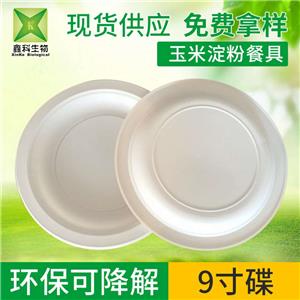 150碟子
150碟子 一次性環保餐具-...
 一次性可降解餐具...
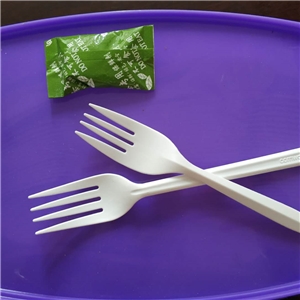 一次性餐具-叉子
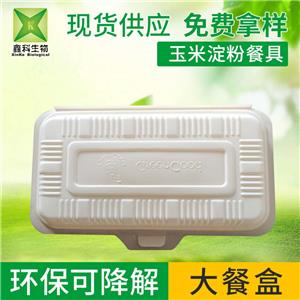 環保餐(cān)盒
相(xiàng)關產品:
相關新聞(wén):
- 一次性環保餐具 :一次性可降(jiàng)解餐具的(de)優點有哪些?2024/05/11
- 可降解顆粒:塑料(liào)降(jiàng)解的方法(fǎ)有(yǒu)哪些?2024/05/10
- 玉米澱粉顆粒:玉米澱粉的功效與作用2024/05/09
- 生物降解顆粒:“全生物降解塑(sù)料”與“可降解(jiě)塑料”的區別(bié)2024/05/09
- 可降解顆粒:可降解塑料顆粒(lì)製(zhì)造過程詳解2024/05/07
- 一次(cì)性環保餐具在不斷提高生活水(shuǐ)平2024/04/25
- 什(shí)麽才是真正的環保餐具?2024/04/22
- 用(yòng)農作物秸稈生產一次性餐(cān)具的技術2024/04/16