-
2018-09-12150碟(dié)子
-
2018-09-13一(yī)次性環(huán)保餐具-碟子
-
2018-09-14一次性可降解(jiě)餐具-270ml碗
-
2018-09-14一次性餐具-叉子
-
2018-09-14環保餐(cān)盒
首頁 - 資訊動(dòng)態 > 常(cháng)見問題
可降解顆(kē)粒及相關方式(shì)介紹

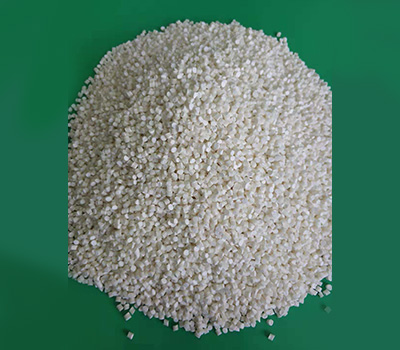
可降解顆粒包括在用於地下應用如鑽井中能進行不可(kě)逆降解的可(kě)降解材料(其通常是可降解聚合物)。此處所使用的術語"一種顆粒"或"多種(zhǒng)顆粒"是指具有以下物理形狀的一種或多種微粒薄層(céng)(platdet)、刨(páo)花(shavings)、纖維、小薄片(flake)、帶狀、棒、條、球體、超環狀、小球狀、片(tablet)或其(qí)它合適形狀的。作為此處(chù)所使(shǐ)用的術語"不可逆,,意指可降解材(cái)料可(kě)原位降解(例如在鑽井中),但降(jiàng)解之後不會原位(例如在鑽井中)重結晶或重(chóng)新固結。術語"降解"或"可降解"指可降解材料可以進行諸如異相(或本體消(xiāo)耗(hào))和均相(表層(céng)消耗沐(mù)解降解(jiě)的兩種相對極端情形,以(yǐ)及在這兩者之間的任(rèn)意降解階段。
Degradable particles include biodegradable materials (usually biodegradable polymers) that can be irreversibly degraded in underground applications such as drilling. The term "one particle" or "multiple particles" as used herein refers to one or more thin layers of particles, shavings, fibers, flakes, ribbons, bars, spheres, super rings, small balls, tablets or other suitable shapes with the following physical shapes. As the term "irreversible" used here, it means that degradable materials can be degraded in situ (such as in the drilling well), but will not be recrystallized or re-consolidated in situ (such as in the drilling well) after degradation.
這種降解可以尤其是由(yóu)化學或熱反應或輻射引發(fā)的反應中所(suǒ)產生的(de)。作為此處所用術語"一種聚合物"或"多種聚合物"並不暗(àn)示特定聚合度,例如,此定義(yì)還包括低聚物。可降解聚合物的可降解度通常少(shǎo)部分地取決於其骨(gǔ)架結構。例如,在骨架中存在(zài)的可水解和(hé)/或(huò)可氧化的鍵通常(cháng)能產生可以如下所述進行降解的材料。這些聚合物的降解(jiě)速率取決於(yú)重複單元的類型、組成、序列、長度、分子幾(jǐ)何形狀(zhuàng)、分子量、形態(例如結晶度、球晶尺寸以及取向度(dù))、親水性、疏水性、表麵(miàn)積和添加劑。
This degradation can be especially caused by chemical or thermal reactions or reactions induced by radiation. As used herein, the term "one polymer" or "multiple polymers" does not imply a specific degree of polymerization. For example, this definition also includes oligomers. The degradability of degradable polymers usually depends at least in part on their skeleton structure. For example, hydrolysable and/or oxidizable bonds present in the skeleton can usually produce materials that can be degraded as described below. The degradation rate of these polymers depends on the type, composition, sequence, length, molecular geometry, molecular weight, morphology (such as crystallinity, spherulite size and orientation), hydrophilicity, hydrophobicity, surface area and additives of the repeating units.
另外,該聚合物所處環境如溫度、水分的存在、氧氣、微生(shēng)物、酶、pH等會影響其如何降解。可降(jiàng)解聚合物的物理性能取決於諸如重複單元的組成、鏈的柔性、極性基團的存在、分子質量、支化度、結晶度、取向度等幾個因素。例如,短鏈支化降低了聚合物的結晶度,而長鏈支化降低了熔融(róng)粘度並且尤其賦予具(jù)有拉伸硬化性態的拉(lā)伸粘度。
In addition, the environment of the polymer, such as temperature, presence of water, oxygen, microorganism, enzyme, pH, etc., will affect its degradation. The physical properties of degradable polymers depend on several factors, such as the composition of repeating units, the flexibility of chains, the existence of polar groups, molecular weight, branching degree, crystallinity, and orientation degree. For example, the short chain branching reduces the crystallinity of the polymer, while the long chain branching reduces the melt viscosity and especially gives the tensile viscosity with tensile hardening property.
該應用材料的特性可以進一步通過共混、以及與其它聚合物共(gòng)聚、或通過改變大分子構型(如超支化聚合物、星型聚合(hé)物、或枝狀聚(jù)合物等)而(ér)修整。任何這種合適的可降解聚合物的特性(例如疏水性、親水性、降解速率,等)可以通過沿該聚合物鏈引入所選擇的功能性基團而修整。用於製備在地下(xià)應用中(zhōng)有用的可降解顆粒(例如作為酸性前體、流體損失控製顆粒、導引劑(jì)、濾餅部分、鑽井液、水泥添加劑(jì)等)的常(cháng)規方法(fǎ)尤(yóu)其(qí)包括乳液法和溶液(yè)沉澱法。為了使用乳液法製(zhì)備可降解顆粒(lì),一般將可降解聚合物材料如聚(乳酸)溶解於鹵化溶劑如二氯甲烷(wán)中以形(xíng)成聚合物溶液,隨後在充(chōng)分(fèn)剪(jiǎn)切下向該聚合物溶液加入水和表麵(miàn)活性劑以形(xíng)成乳液。該(gāi)乳液形成(chéng)之後,通過真空抽提或水蒸(zhēng)氣(qì)抽提將(jiāng)該溶劑從該乳液中除去,在(zài)水相中留下基本不含溶劑(jì)的聚(jù)合物顆粒(lì)。然後去(qù)除(chú)水,並通(tōng)過離心、過(guò)濾或噴霧幹燥收集顆粒。同樣,用溶液沉澱法製備可降解顆粒包括將可降解聚(jù)合物溶解在水可混溶的溶劑中以形成聚合物溶液。
The characteristics of the applied material can be further modified by blending, copolymerization with other polymers, or by changing the macromolecular configuration (such as hyperbranched polymer, star polymer, or dendritic polymer, etc.). The characteristics of any such suitable degradable polymer (such as hydrophobicity, hydrophilicity, degradation rate, etc.) can be modified by introducing selected functional groups along the polymer chain. Conventional methods for preparing degradable particles useful for underground applications (such as acid precursors, fluid loss control particles, guiding agents, filter cake parts, drilling fluids, cement additives, etc.) include, in particular, the lotion method and the solution precipitation method. In order to prepare degradable particles by the lotion method, degradable polymer materials such as poly (lactic acid) are generally dissolved in halogenated solvents such as dichloromethane to form a polymer solution, and then water and surfactant are added to the polymer solution under full shear to form a lotion. After the lotion is formed, the solvent is removed from the lotion by vacuum extraction or water vapor extraction, leaving polymer particles basically free of solvent in the water phase. The water is then removed and the particles are collected by centrifugation, filtration or spray drying. Similarly, the preparation of degradable particles by the solution precipitation method includes dissolving the degradable polymer in a water-miscible solvent to form a polymer solution.
以足(zú)夠的剪切將表麵活性劑和/或水加(jiā)入該聚合物溶液,以便該溶劑(jì)與聚合物溶液分離,留下基本無溶劑的聚合物顆粒,所(suǒ)述聚合物顆粒可以用已經討(tǎo)論過的相同方法收集。與目前製備可降解顆粒方法相關的一個問(wèn)題(tí)是表麵活性劑和/或多溶劑的(de)必要性
The surfactant and/or water are added to the polymer solution with sufficient shearing force, so that the solvent is separated from the polymer solution, leaving polymer particles that are basically solvent-free, and the polymer particles can be collected by the same method that has been discussed. A problem related to the current method of preparing degradable particles is the necessity of surfactants and/or multi-solvent
。乳(rǔ)液法和溶(róng)液沉澱法都需要使用不(bú)止一種的溶劑和/或表麵活性劑。而且在這些方法中可能使用的鹵化溶劑會造成健康問題(tí)並(bìng)且(qiě)影響環境。因此,不需要使(shǐ)用表麵活(huó)性劑和(hé)/或包括鹵化溶劑在內的多種溶劑的(de)製備(bèi)可降解顆粒的方法會是有益的,並且更節省成本。
。 Both the lotion method and the solution precipitation method require the use of more than one solvent and/or surfactant. Moreover, halogenated solvents that may be used in these methods will cause health problems and affect the environment. Therefore, the method of preparing degradable particles without using surfactants and/or a variety of solvents including halogenated solvents would be beneficial and more cost-effective.
- 上(shàng)一個: 一次性玉米澱粉餐具的選購須知
- 下一個: 真正的環保餐具是可降解和(hé)利用的!
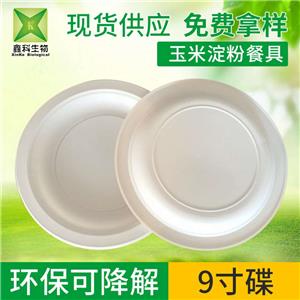 150碟(dié)子
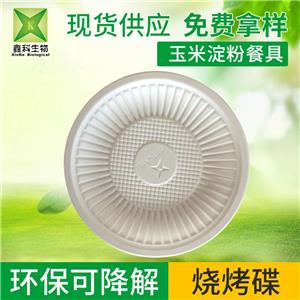 一次性環保餐(cān)具-...
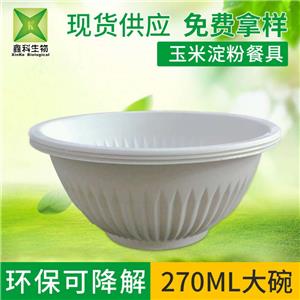 一次性可降解餐具...
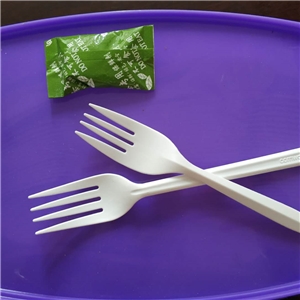 一次性餐具-叉(chā)子
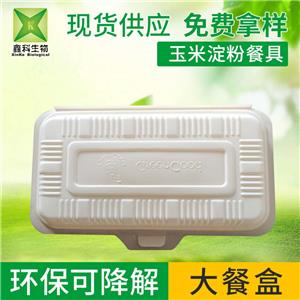 環保餐盒
環保餐盒
相(xiàng)關產品:
相關新聞:
- 一次性環保餐具 :一次性可降解餐具的優點有哪些?2024/05/11
- 可降解顆粒:塑料降解的方法有(yǒu)哪(nǎ)些?2024/05/10
- 玉米澱粉顆粒:玉米澱粉(fěn)的功效與作用2024/05/09
- 生(shēng)物(wù)降(jiàng)解顆(kē)粒:“全生物降解塑料”與“可降解塑料”的區別2024/05/09
- 可降解顆粒(lì):可(kě)降解塑料顆粒製造過程詳解2024/05/07
- 一次(cì)性環保餐(cān)具在不斷提高生活水平2024/04/25
- 什麽才(cái)是真(zhēn)正的環保餐具?2024/04/22
- 用農作物秸稈生產一次性餐具的技(jì)術2024/04/16